manual gas transfer pump
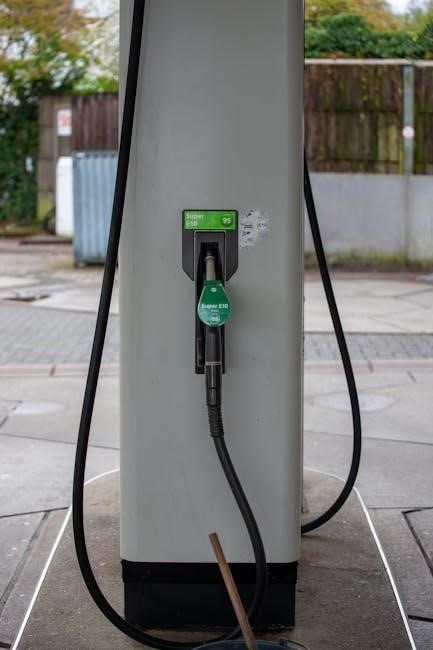
Manual Gas Transfer Pump: A Comprehensive Guide
Manual gas transfer pumps offer a simple‚ reliable solution for moving liquids without electricity‚ utilizing hand or foot operation for efficient fluid displacement.
These pumps are versatile tools‚ capable of handling gasoline‚ diesel‚ water‚ and more‚ making them ideal for various applications where portability and convenience are key.
What is a Manual Gas Transfer Pump?
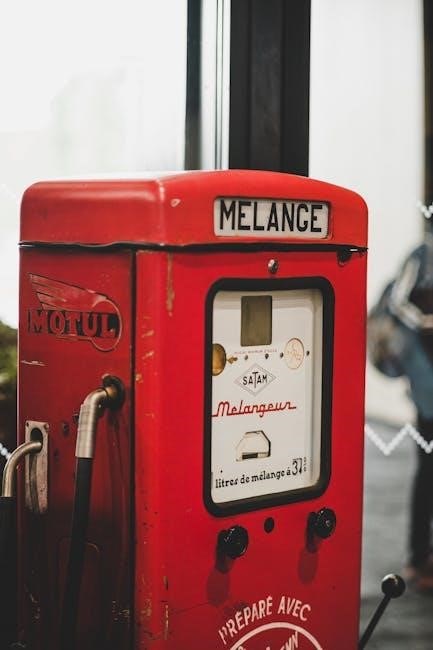
A manual gas transfer pump is a non-electric device designed to move liquids‚ such as gasoline‚ diesel fuel‚ or water‚ from one container to another. Unlike their electric counterparts‚ these pumps rely on human power – either through hand operation via a diaphragm or lever‚ or by initiating and maintaining a siphon.
These pumps are characterized by their portability and simplicity‚ requiring no external power source. They function by creating a pressure differential‚ drawing fluid through an inlet hose and discharging it through an outlet hose. A key feature is their ability to act as both a high-volume siphon and a regular lift pump‚ offering versatility in various scenarios. Constructed often from durable materials like high-impact PVC‚ they are designed for safe and reliable fluid transfer.
How Manual Gas Transfer Pumps Differ from Electric Pumps

The primary difference between manual and electric gas transfer pumps lies in their power source. Electric pumps utilize electricity to drive a motor that creates the necessary pressure for fluid transfer‚ offering typically higher flow rates and continuous operation. Manual pumps‚ conversely‚ depend entirely on human physical effort – hand or foot power – making them independent of electrical access.
This distinction translates to portability; manual pumps are readily movable and usable in remote locations without power outlets. While electric pumps generally offer greater efficiency and speed‚ manual pumps excel in situations demanding simplicity‚ safety around flammable liquids (reducing spark risk)‚ and cost-effectiveness. They are also quieter in operation and require less maintenance‚ lacking the complex components of electric models.
Applications of Manual Gas Transfer Pumps
Manual gas transfer pumps demonstrate remarkable versatility across numerous applications. A common use is transferring gasoline and diesel fuel from storage containers to vehicles or equipment‚ particularly in off-grid scenarios or when electrical power isn’t available. Beyond fuels‚ these pumps effectively move water for tasks like draining boats‚ emptying tanks‚ or emergency water relocation.
Furthermore‚ they find utility in maintaining aquatic environments. Aquarium and pond cleaning benefit from their ability to siphon debris and perform partial water changes without disturbing the ecosystem. The pumps’ gentle action minimizes stress on aquatic life. Bucket relay systems‚ utilizing manual pumps‚ can even lift water to higher elevations‚ offering a low-tech solution for irrigation or water supply in challenging terrains.
Transferring Gasoline and Diesel Fuel
Manual gas transfer pumps are exceptionally well-suited for safely moving gasoline and diesel fuel‚ offering a practical alternative to pouring. Their design minimizes spills and exposure‚ crucial when handling flammable liquids. These pumps excel in situations where electricity is unavailable or unsafe‚ such as fueling equipment in remote locations or during emergencies.
Constructed from materials like high-impact PVC‚ they resist corrosion from fuels. A typical pump can transfer up to 8 gallons per minute‚ or approximately 5 ounces per stroke‚ making refueling relatively quick. The included hoses‚ often 7/16 I.D.‚ ensure a secure connection and efficient flow. Always prioritize safety by following proper grounding procedures and avoiding open flames when transferring fuel.
Water Transfer Applications

Manual gas transfer pumps demonstrate surprising versatility beyond fuels‚ proving highly effective for various water transfer tasks. They’re invaluable for draining water tanks‚ emptying small ponds‚ or transferring water between containers when a power source isn’t accessible. The simplicity of these pumps makes them ideal for emergency situations like flooding or when a well pump fails.
Utilizing a siphon or lift pump function‚ they can move water efficiently. Bucket relay systems‚ or bladder/diaper siphon methods‚ can even assist in lifting water to higher elevations‚ though these are more labor-intensive. Remember that the flow rate‚ around 8 gallons per minute‚ is suitable for moderate volume transfers. These pumps offer a reliable‚ off-grid solution for numerous water management needs.
Aquarium and Pond Cleaning
Manual gas transfer pumps are surprisingly useful for aquarium and pond maintenance‚ offering a gentle yet effective way to manage water. They excel at water changes‚ removing debris‚ and even vacuuming gravel without disrupting the delicate ecosystem. The siphon function is particularly valuable for controlled water removal‚ preventing stress to aquatic life.
These pumps allow for precise water control‚ crucial for maintaining water quality. Their hand-operated nature provides a gentle suction‚ ideal for delicate tasks. When cleaning ponds‚ they can efficiently remove accumulated sludge and algae. Remember to use appropriate hose dimensions (7/16 I.D. is common) and ensure the pump material is safe for aquatic environments. They provide a low-tech‚ reliable solution for a healthier aquatic habitat.
Types of Manual Gas Transfer Pumps
Manual gas transfer pumps come in several distinct designs‚ each suited to different needs. Hand-operated diaphragm pumps utilize a reciprocating hand motion to create suction‚ ideal for smaller volumes and short lifts. Foot-operated lever pumps offer hands-free operation‚ beneficial for continuous transfer tasks. These are often robust and efficient.
A third common type is the self-priming siphon pump‚ which relies on gravity to initiate and maintain flow. These are excellent for transferring liquids quickly and efficiently once primed. Some pumps function as both siphon and lift pumps‚ offering versatility. The choice depends on the volume‚ lift height‚ and desired level of control. Material construction‚ like high-impact PVC‚ impacts durability and fluid compatibility.
Hand-Operated Diaphragm Pumps
Hand-operated diaphragm pumps are a popular choice for manual gas transfer due to their simplicity and reliability. These pumps function by repeatedly moving a flexible diaphragm with a hand lever‚ creating a pumping action that draws fluid into the chamber and expels it through the outlet. They excel at handling smaller volumes and are particularly useful when a short lift is required.
Their design makes them self-priming in many cases‚ simplifying the starting process. These pumps are often constructed from durable materials like PVC‚ ensuring compatibility with various fuels and liquids. While requiring manual effort for each stroke‚ they provide precise control over the transfer rate and are ideal for situations where electric power isn’t available.
Foot-Operated Lever Pumps
Foot-operated lever pumps offer a hands-free pumping solution‚ utilizing a foot pedal to drive the pumping mechanism. This design is advantageous for tasks requiring continuous fluid transfer‚ as it frees up the user’s hands for other operations. Similar to hand-operated pumps‚ they employ a diaphragm or piston to create suction and discharge fluid with each pedal press.
These pumps are well-suited for transferring gasoline‚ diesel‚ and water‚ providing a consistent flow rate with moderate effort. Their robust construction‚ often featuring PVC components‚ ensures durability and chemical resistance. While potentially requiring more space than hand pumps‚ foot-operated models can significantly reduce user fatigue during prolonged pumping sessions‚ making them a practical choice for larger volume transfers.
Self-Priming Siphon Pumps
Self-priming siphon pumps streamline the fluid transfer process by eliminating the need for manual initiation of the siphon. These pumps are designed to create suction automatically‚ drawing liquid from a source container without prior priming. They function effectively as both high-volume siphons and standard lift pumps‚ offering versatility for diverse applications.
Typically constructed from durable‚ high-impact PVC‚ these pumps are suitable for safely transferring gasoline‚ diesel‚ petroleum products‚ and water. A common specification includes a flow rate of approximately 8 gallons per minute or 5 ounces per stroke. They often come equipped with pre-attached hoses – typically six feet of 7/16 I.D. inlet hose and three feet of 7/16 I.D. outlet hose – for immediate use‚ simplifying setup and operation.
Starting a Siphon: Techniques and Methods
Initiating a siphon with a manual pump often requires overcoming initial resistance to establish flow. Several techniques exist‚ depending on hose flexibility and the situation. For flexible hoses‚ the “pinch method” involves submerging one end‚ sealing the hose above the fluid level with fingers‚ and sliding the pinch towards the outlet. This creates a vacuum‚ drawing liquid upwards.
Alternatively‚ a “bucket relay system” can be employed‚ especially for lifting liquids to higher levels. This involves manually transferring liquid in buckets or utilizing rope-and-bucket systems. A “bladder/diaper siphon method” utilizes a flexible bladder or bag filled at the lower level‚ then lifted and poured into the destination container – a gravity-assisted relay. Understanding these methods ensures efficient and reliable siphon starting.
The Pinch Method for Flexible Hoses
The pinch method is a straightforward technique for initiating a siphon using a flexible hose with a manual gas transfer pump. Begin by fully submerging one end of the hose into the source liquid; Then‚ firmly pinch the hose closed above the liquid level‚ creating a complete seal.
Maintaining the seal‚ carefully slide the pinched section towards the outlet end of the hose. As you release the pinch at the outlet‚ the vacuum created will draw the liquid upwards and initiate the siphon flow. This method relies on the hose’s flexibility and your ability to maintain a tight seal during the sliding process. It’s a quick and effective way to start siphoning without additional tools.
Using a Bucket Relay System
A bucket relay system provides a low-tech‚ reliable method for transferring liquids to a higher elevation when direct siphoning isn’t feasible with a manual gas transfer pump. This involves repeatedly filling a bucket from the source liquid and manually carrying it to the destination container.
While labor-intensive‚ it’s exceptionally simple and requires no specialized equipment beyond buckets and potentially a rope-and-bucket or counterweight system to ease lifting. This method is particularly useful for limited volumes or situations where a continuous siphon isn’t practical. It’s a dependable fallback option when gravity alone won’t suffice‚ offering a controlled and manageable transfer process.
Bladder/Diaper Siphon Method (Gravity-Assisted Relay)
The bladder or diaper siphon method offers a gravity-assisted relay technique for lifting liquids beyond a standard siphon’s capabilities when using a manual gas transfer pump. This involves filling a flexible bladder or large-capacity fuel transfer bag at the lower level with the liquid.
Once full‚ the bladder is sealed‚ carefully lifted to the higher container‚ and then emptied. This effectively ‘relays’ the liquid upwards‚ overcoming height limitations. It’s a practical solution for situations where continuous pumping isn’t possible‚ or for transferring liquids a significant vertical distance. This method provides a controlled transfer‚ minimizing spills and offering a manageable alternative to direct siphoning.
Pump Specifications and Features
Key specifications define a manual gas transfer pump’s performance and suitability for specific tasks. Flow rate‚ measured in gallons per minute (GPM) or ounces per stroke‚ indicates pumping speed – a typical pump might deliver 8 GPM or 5 ounces per stroke.
Hose dimensions‚ specifically the inner diameter (I.D.)‚ are crucial for compatibility and flow efficiency; a common size is 7/16 I.D. Material construction‚ often high-impact PVC‚ determines durability and chemical resistance. Consider the liquid being transferred when evaluating material compatibility. Pumps often include pre-attached hoses of specific lengths for immediate use‚ enhancing convenience and setup speed.
Flow Rate (Gallons Per Minute/Ounces Per Stroke)
Flow rate is a critical specification‚ defining the pump’s output volume over time. It’s expressed in either gallons per minute (GPM) for continuous transfer or ounces per stroke for pumps requiring manual actuation with each cycle. A higher GPM indicates faster liquid movement‚ ideal for large-volume transfers.
Conversely‚ pumps measured in ounces per stroke are suited for smaller‚ controlled transfers. A typical manual gas transfer pump can achieve around 8 gallons per minute‚ or approximately 5 ounces of fluid with each pumping stroke. Understanding these rates helps users select a pump appropriate for their specific needs and transfer volumes‚ optimizing efficiency and time management.
Hose Dimensions (I.D. ⸺ Inner Diameter)
Hose dimensions‚ specifically the Inner Diameter (I.D.)‚ are crucial for optimal pump performance. The I.D. dictates the volume of fluid that can pass through the hose per unit of time‚ directly impacting the flow rate. A larger I.D. generally allows for a higher flow rate‚ but must be compatible with the pump’s inlet and outlet ports.
Common I.D. sizes for manual gas transfer pumps are around 7/16 inches. Using a hose with an incorrect I.D. can significantly reduce efficiency or even damage the pump. Ensure the hose is securely fitted to prevent leaks and maintain consistent suction. Matching the hose I.D. to the pump’s specifications is essential for safe and effective operation.
Material Construction (PVC‚ etc.)
Material construction significantly impacts a manual gas transfer pump’s durability and compatibility with various fluids. Polyvinyl Chloride (PVC) is a frequently used material due to its resistance to many chemicals‚ including gasoline and diesel‚ and its affordability. High-impact PVC offers enhanced robustness for demanding applications.
Other materials‚ like reinforced rubber or specialized polymers‚ may be used for specific fluid types or to improve flexibility. The pump body and hose materials must be chemically compatible with the liquids being transferred to prevent degradation or contamination. Selecting a pump constructed from appropriate materials ensures longevity and safe operation‚ preventing leaks and maintaining fluid integrity.
Safety Precautions When Using a Manual Gas Transfer Pump
Prioritize safety when operating a manual gas transfer pump. Always work in a well-ventilated area‚ especially when transferring flammable liquids like gasoline or diesel‚ to prevent vapor buildup. Avoid open flames or sparks nearby. Wear appropriate personal protective equipment (PPE)‚ including gloves and eye protection‚ to prevent skin and eye contact with fluids.
Ensure the pump is properly grounded to prevent static electricity discharge. Never operate a damaged pump; inspect hoses for cracks or leaks before each use. Avoid overfilling containers‚ and always have spill containment measures in place. Be mindful of lifting heavy containers and use proper lifting techniques to prevent injury.
Maintenance and Storage of Your Pump
Regular maintenance extends the life of your manual gas transfer pump. After each use‚ thoroughly flush the pump and hoses with a compatible solvent to remove any residual fluid‚ preventing corrosion and clogging. Inspect hoses for wear and tear‚ replacing them as needed. Store the pump in a clean‚ dry environment‚ away from direct sunlight and extreme temperatures.
Periodically lubricate moving parts‚ if applicable‚ according to the manufacturer’s instructions. Ensure all connections are tight before storage. For long-term storage‚ consider disconnecting the hoses and storing them separately to prevent cracking. Proper storage safeguards against damage and ensures the pump is ready for its next use.