snowboard purchase guide
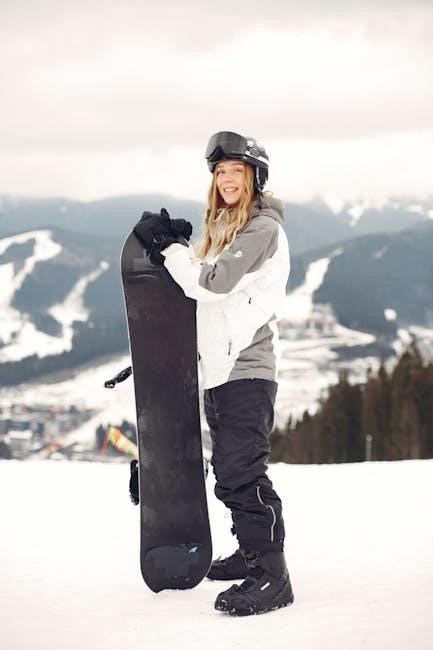
Snowboard Purchase Guide: An Overview
Navigating the world of snowboarding gear can be daunting! This guide simplifies the process, covering everything from board types and sizes to bindings and protective equipment.
Sephora’s events, like the Savings Event, demonstrate a commitment to customer appreciation and personalized shopping experiences, mirroring the tailored approach needed for snowboard selection.
Understanding Snowboard Types
Choosing the right snowboard begins with understanding the different types available, each designed for specific riding styles and terrain. All-mountain snowboards are the most versatile, excelling in various conditions – groomed runs, powder, and park features. They’re a great starting point for beginners and intermediate riders.
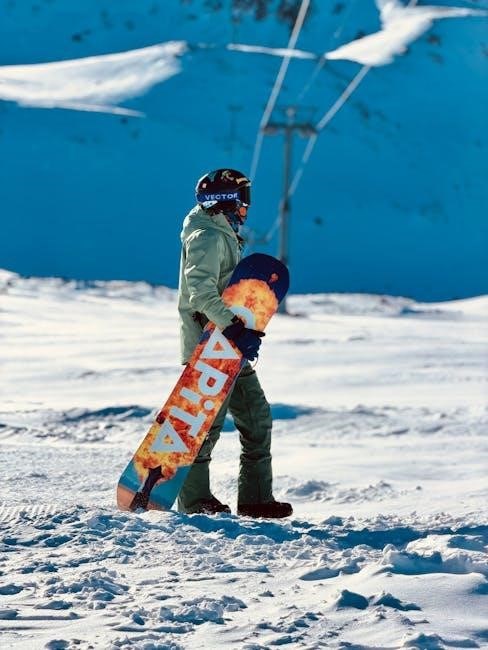
Freestyle snowboards, often twin-tipped, are built for park riding, featuring a symmetrical shape ideal for riding switch (backwards). They prioritize maneuverability and pop for tricks. Freeride snowboards, conversely, are designed for off-piste adventures and deep powder. They typically have directional shapes and stiffer flexes for stability and float.
Splitboards are a unique category, allowing riders to ascend mountains under their own power and then convert to snowboard mode for the descent. Powder boards, a subcategory of freeride, are specifically engineered for maximum float in deep snow. Considering your primary riding style – whether it’s carving groomers, hitting jumps, or exploring backcountry – is crucial when selecting a snowboard type. Sephora’s tiered Beauty Insider program, offering varying discounts, parallels this concept of tailored options; just as Sephora caters to diverse beauty needs, snowboard types cater to diverse riding preferences.
Choosing the Right Snowboard Length
Snowboard length is a critical factor influencing control and performance. Generally, length is determined by your height and weight, but riding style also plays a significant role. A common guideline suggests that a beginner should choose a board that reaches somewhere between their chin and nose when stood on end.
Heavier riders typically require longer boards for increased stability, while lighter riders may prefer shorter boards for easier maneuverability. Aggressive riders who prioritize speed and stability often opt for longer lengths, while freestyle riders favoring tricks and park riding generally prefer shorter boards.
Consider your ability level; beginners benefit from slightly shorter boards for easier turning and control. As your skills progress, you can experiment with different lengths to find what suits your style best. Online resources and in-store experts can provide personalized recommendations. Much like Sephora’s online beauty advisors offering tailored advice, finding the right snowboard length requires considering individual needs. Sephora’s “Buy Online, Pick Up in Store” option mirrors the convenience of researching online and then confirming fit in person, similar to trying a snowboard before purchasing.

Snowboard Width and Your Boot Size
Ensuring proper snowboard width relative to your boot size is crucial for performance and comfort. Too narrow a board will cause your boots to overhang, leading to edge catching and instability. Conversely, a board that’s too wide can make turning difficult and reduce control.
Snowboard width is typically measured in millimeters (mm) and is often categorized as narrow, standard, or wide. Most riders with average boot sizes (US men’s 8-11, US women’s 6-9) can comfortably ride a standard-width board. However, those with larger or smaller feet should consider wider or narrower options, respectively.
Measure your boot size accurately – in Mondopoint (centimeters) – and consult the snowboard manufacturer’s size chart. These charts will indicate the recommended board width for your specific boot size. Just as Sephora’s Beauty Insider program offers personalized recommendations, selecting the correct width requires understanding your individual measurements. Sephora’s focus on a personalized experience, like completing “beauty traits” for tailored suggestions, parallels the need for a precise fit between boot and board. A proper fit, like a well-chosen beauty product, enhances the overall experience.
Snowboard Flex: What Does It Mean?
Snowboard flex refers to the board’s resistance to bending, significantly impacting its performance characteristics. It’s rated on a scale of 1 to 10, with 1 being the softest and 10 being the stiffest. Understanding flex is vital for matching a board to your riding style and ability level.
Softer flex boards (1-4) are more forgiving, easier to turn, and ideal for beginners or riders who prefer playful, park-focused riding. They excel in buttering and jibbing. Stiffer flex boards (7-10) offer greater stability at high speeds, precise edge hold, and responsiveness – favored by advanced riders tackling steep terrain or carving hardpack. Medium flex boards (5-6) provide a balance between playfulness and stability.
Consider your weight and riding preferences. Heavier riders generally require stiffer boards for adequate support. Just as Sephora’s Beauty Advisors offer expert guidance, understanding flex requires considering individual needs. Sephora’s online chat feature, “Live Beauty Help,” provides real-time assistance, mirroring the benefit of seeking advice from a snowboard expert. Choosing the right flex, like finding the perfect foundation, is fundamental to a successful ride.
Snowboard Core Materials Explained
The core is the heart of a snowboard, profoundly influencing its flex, weight, and overall performance. Different materials offer varying characteristics, catering to diverse riding styles. Wood cores are the most common, with several options available.
Full wood cores, typically using poplar, provide a balanced blend of flex, pop, and durability. Fir and beech are often combined with poplar to enhance specific attributes – fir for responsiveness, beech for strength. Composite cores blend wood with synthetic materials like polyurethane, reducing weight and cost, but often sacrificing some performance.
Premium cores incorporate advanced wood combinations and technologies, like bamboo for increased strength-to-weight ratio and responsiveness. Similar to Sephora’s tiered Beauty Insider program offering escalating benefits, core materials represent a spectrum of quality and price. Sephora’s “Buy Online, Pick Up in Store” option streamlines access, mirroring the convenience of selecting a core suited to your needs. The core material, like a carefully chosen beauty product, fundamentally shapes the experience.
Base Materials: Sintered vs. Extruded
The snowboard base is crucial for speed and glide, and the material significantly impacts performance. Two primary types dominate the market: sintered and extruded bases. Extruded bases are created by forcing polyethylene through a die, resulting in a softer, more affordable option. They require less maintenance and are ideal for beginners or those riding in icy conditions, offering good all-around performance.
Sintered bases, however, are formed by compressing polyethylene at high temperatures, creating a much denser and faster surface. This density means they hold wax better, translating to increased speed. Sintered bases are more expensive and require more frequent waxing to maintain optimal performance.
Think of it like Sephora’s Beauty Insider tiers – extruded bases are a solid starting point, while sintered bases unlock higher levels of performance for dedicated riders. Just as Sephora offers online beauty advisors, understanding base materials helps you choose the right tool for your riding style. Like Sephora’s events, selecting the right base enhances the overall experience.
Snowboard Shape: Directional, Twin, and More
A snowboard’s shape dramatically influences its handling and intended riding style. Three main categories exist: directional, twin, and directional twin. Directional boards feature a longer nose than tail, providing better float in powder and stability at speed. They’re designed for traditional, forward-facing riding.
Twin boards are symmetrical, meaning the nose and tail are identical. This allows for equal performance riding in either direction – perfect for freestyle riders who enjoy switch riding (riding backwards). Directional twin shapes offer a blend of both worlds, with a slightly set-back stance for powder performance but maintaining symmetry for freestyle versatility.
Choosing the right shape, much like selecting products at Sephora, depends on your preferences. Sephora’s personalized recommendations mirror the need to match shape to riding style. Just as Sephora’s Beauty Insider events cater to different tiers, snowboard shapes cater to diverse riding approaches. Consider your primary terrain and riding goals when making your selection – a crucial step for maximizing enjoyment.
Camber Profile: Traditional, Rocker, and Hybrid
The camber profile defines how a snowboard interacts with the snow, significantly impacting its performance characteristics. Traditional camber features an arc underfoot, providing excellent edge hold, pop, and stability – ideal for carving and aggressive riding. However, it can be less forgiving.
Rocker (or reverse camber) has a reverse arc, lifting the contact points off the snow. This creates a playful, loose feel, making it easier to initiate turns and float in powder. It’s favored by beginners and freestyle riders. Hybrid camber profiles combine elements of both, offering a versatile blend of stability and playfulness.
Similar to Sephora’s diverse product range catering to various skin types and preferences, camber profiles cater to different riding styles. Sephora’s online advisors offer personalized guidance, mirroring the need to understand your riding goals. Choosing the right profile, like finding the perfect foundation, is crucial for optimal performance and enjoyment on the slopes. Consider your skill level and preferred terrain when selecting a camber profile.
Bindings: A Crucial Component
Snowboard bindings are the vital link between your boots and board, transferring your energy and control. They significantly impact your riding experience, influencing responsiveness, comfort, and overall performance. Bindings consist of a baseplate, straps, and highbacks, each contributing to the overall function.
Choosing the right bindings involves considering your riding style and skill level. Softer flex bindings are more forgiving and ideal for beginners or freestyle riders, while stiffer bindings offer greater support and precision for aggressive carving and freeriding. Like Sephora’s Beauty Insider tiers offering escalating benefits, binding quality often correlates with price and features.

Properly fitted bindings are essential for safety and performance. Just as Sephora’s online chat feature connects you with experts, seeking advice from a knowledgeable snowboard shop can ensure a proper fit. The ability to “Buy Online, Pick Up in Store” at Sephora mirrors the convenience of trying bindings in person after initial research. Invest in quality bindings – they’re a cornerstone of a great snowboarding setup.
Binding Compatibility: Ensuring a Proper Fit
Ensuring your bindings are compatible with your snowboard is paramount for safety and performance. Modern snowboards and bindings largely adhere to industry standards, but it’s crucial to verify compatibility before purchasing. The 4×4, Channel, and EST systems are the most common mounting patterns.
4×4 compatibility is the most widespread, allowing for a wide range of binding options. The Channel system, popularized by Burton, offers increased adjustability and a smoother ride. EST (Edge to Edge) is another Burton-specific system. Just as Sephora offers personalized recommendations based on “beauty traits,” understanding your board’s mounting system dictates binding choices.
Beyond the mounting system, boot size plays a critical role. Bindings come in various sizes (S, M, L, XL) to accommodate different boot lengths. Using bindings that are too small or too large can compromise control and comfort. Sephora’s focus on a personalized experience, like their Beauty Insider Community, highlights the importance of finding the right fit. Double-check compatibility charts and consult with a snowboard expert to avoid issues.
Boot Selection: Comfort and Performance
Snowboard boots are arguably the most important piece of equipment, directly impacting comfort, control, and overall riding experience. Prioritizing a proper fit is essential; ill-fitting boots can lead to discomfort, blisters, and reduced performance. Like Sephora’s Beauty Advisors offering expert guidance, seeking professional boot fitting is highly recommended.
Boots come in various flex ratings, ranging from soft to stiff. Softer boots are more forgiving and ideal for beginners, while stiffer boots offer greater responsiveness and support for advanced riders. Consider your riding style and terrain preferences when selecting a flex. Sephora’s tiered Beauty Insider program, offering increasing benefits, mirrors the progression in boot performance as skill levels advance.
Internal boot features, such as heat-moldable liners, can significantly enhance fit and comfort. These liners conform to the shape of your foot over time, providing a customized feel. Don’t underestimate the importance of trying on boots with snowboard socks to ensure an accurate fit. Just as Sephora emphasizes a personalized experience, finding boots that feel like an extension of your feet is crucial.
Boot Flex and Its Impact on Riding Style
Boot flex dramatically influences how your snowboard feels and responds. A boot’s flex rating, typically on a scale of 1-10 (1 being softest, 10 stiffest), dictates its ability to bend and flex with your movements. Similar to Sephora’s diverse product range catering to different beauty needs, boot flex caters to varied riding styles.
Softer flex boots (1-4) are forgiving and ideal for beginners or riders who prioritize comfort and freestyle riding. They allow for easier turning and are more playful, perfect for park sessions and relaxed cruising. Stiffer flex boots (7-10) offer maximum responsiveness and support, favored by aggressive riders tackling steep terrain or carving at high speeds.
Mid-range flex boots (5-6) provide a balance between comfort and performance, suitable for all-mountain riding. Consider your skill level and preferred terrain. Just as Sephora’s online chat feature connects you with beauty experts, understanding your needs is key. A stiffer boot transmits more energy to the board, enhancing precision, while a softer boot absorbs bumps and provides a more relaxed feel. Choosing the right flex unlocks your riding potential.
Snowboard and Boot Sizing: A Detailed Guide
Accurate sizing is paramount for comfort, control, and performance. Snowboard length is primarily determined by your height and weight, but riding style also plays a role. Generally, a board should reach somewhere between your chin and nose. Similar to Sephora offering personalized recommendations based on beauty traits, finding the right fit is crucial.
Boot sizing is equally important. Measure your feet using a Brannock device (available at most snowboard shops) while wearing snowboard socks. Your boots should fit snugly, with minimal heel lift, but not be painfully tight. Allow for about a thumb’s width of space between your longest toe and the end of the boot.
Snowboard width should correspond to your boot size. Wider boots require wider boards to prevent toe and heel drag. Don’t assume your street shoe size translates directly to snowboard boot size; snowboard boots are often sized smaller. Sephora’s “Buy Online, Pick Up in Store” option highlights convenience; similarly, a proper fit allows for an enjoyable experience on the slopes. Prioritize a professional boot fitting for optimal results.
Protective Gear: Helmet, Goggles, and More
Safety should always be your top priority on the mountain. A properly fitted helmet is non-negotiable, protecting against head injuries. Look for helmets certified by safety standards like ASTM or CE. Much like Sephora’s Beauty Advisors offering expert advice, prioritizing safety features is essential.
Goggles are crucial for visibility in varying weather conditions. Choose lenses with UV protection and consider different tints for different light levels. Anti-fog coatings are also highly recommended. Wrist guards can help prevent fractures, especially for beginners.
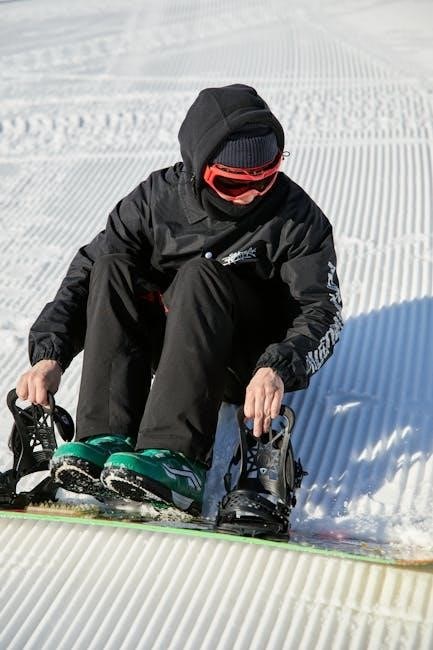
Impact shorts or padded underwear offer protection for your tailbone and hips, common impact zones for snowboarders. Consider a mouthguard if you’re prone to clenching your jaw. Sephora’s focus on a personalized experience extends to beauty needs; similarly, protective gear should be tailored to your riding style and risk tolerance. Don’t skimp on quality when it comes to safety – it’s an investment in your well-being.
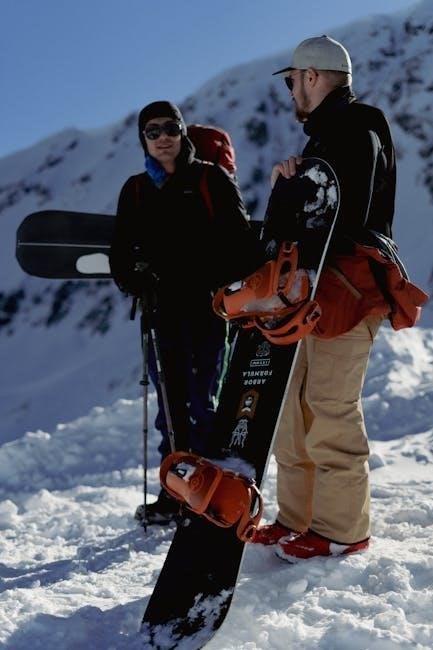
Budget Considerations: How Much to Spend
Snowboarding can be an expensive sport, but it doesn’t have to break the bank. A complete setup – board, bindings, boots, and outerwear – can range from $500 to $1500 or more. Similar to Sephora’s tiered Beauty Insider program offering discounts, costs vary based on quality and features.
Beginners can start with a more affordable package deal, typically between $500-$800. As your skills progress, you can upgrade individual components. Consider buying used gear to save money, but inspect it carefully for damage. Don’t forget to factor in lift tickets, lessons, and travel expenses.
Prioritize essential items like a well-fitting helmet and boots. Spending a little extra on these can significantly improve your comfort and safety. Sephora’s online chat feature provides accessible expert advice; similarly, seeking guidance from experienced snowboarders can help you make informed purchasing decisions. Setting a realistic budget and sticking to it will ensure you enjoy the sport without financial strain.
Where to Buy: Online vs. Local Shops
Choosing where to purchase your snowboard gear depends on your priorities. Online retailers offer convenience and often competitive pricing, much like Sephora’s online store with options like “Buy Online, Pick Up in Store.” Websites frequently have wider selections and detailed product descriptions.
However, local snowboard shops provide a valuable hands-on experience. Knowledgeable staff can offer personalized advice, assist with boot fitting, and ensure compatibility between components. This is akin to Sephora’s Beauty Advisors offering expert guidance through Live Beauty Help.

Local shops also foster a community vibe and often host events. While online returns are generally straightforward, exchanging gear at a local shop can be quicker and easier. Consider visiting a local shop for boot fitting and then comparing prices online. Ultimately, the best option balances convenience, expertise, and price to suit your individual needs and preferences. Sephora’s blend of online and in-store experiences offers a good parallel.
Maintaining Your Snowboard: Extending Its Lifespan
Proper maintenance is crucial for maximizing the life of your snowboard and ensuring optimal performance. Regularly waxing your base is paramount; it replenishes the glide and protects against oxidation, similar to how Sephora encourages consistent skincare routines for healthy skin.
After each ride, wipe down your board to remove dirt and moisture. Inspect the edges for burrs or damage and file them as needed. Store your snowboard in a cool, dry place, away from direct sunlight. Bindings should also be dried and stored properly to prevent corrosion.
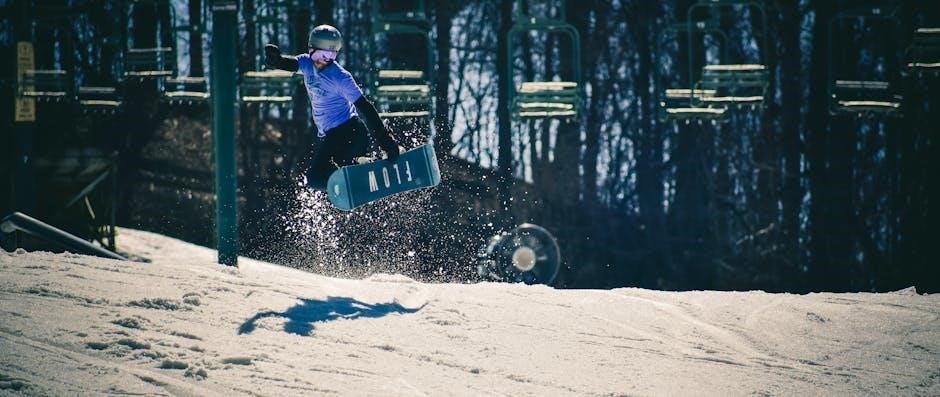
Periodically, a professional tune-up – including base grinding and edge sharpening – can significantly improve performance. Consider a base repair if you encounter deep gouges. Just as Sephora’s Beauty Insider program rewards loyalty, consistent maintenance rewards your investment in snowboarding gear. Taking these steps will keep your board riding smoothly for seasons to come, delaying the need for replacement.